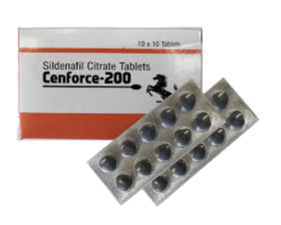
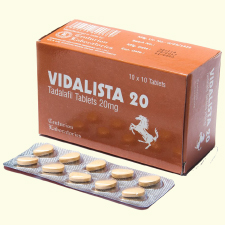
Often, consumers who hear that they are offered not the original medicine, but its generic, are skeptical of this option. However, a generic drug is designed to be a therapeutic alternative to a branded medicine and contains the same active substance. For example, there is branded Cialis, originally marketed by Eli Lilly (USA), and there are also products commonly referred to as Tadalafil, Generic Cialis, Tadalista, Cialis Super and many others, produced by different manufacturers in various countries. In regulated markets, approved generics must typically demonstrate comparable performance (bioequivalence) to the reference product.
At the same time, generics are based on the same active ingredient (Tadalafil) in comparable dosages, which is what primarily determines how the medicine works. What may differ is the manufacturer, packaging, tablet appearance, and inactive ingredients (excipients). These differences usually do not change the intended effect, but they can affect tolerability for some people (for example, sensitivity to certain fillers) or how convenient a particular form is to use.
When Is Generic Tadalafil Used?
Like its prototype, generic Cialis (Tadalafil) is used to help treat erectile dysfunction in men of different ages. Tadalafil, a PDE-5 inhibitor, can be effective for ED associated with psychological causes, physiological causes, or their combination. Also, this medicine may be used in the treatment of benign prostatic hyperplasia (BPH), as a separate medicine as well as part of combination therapy, depending on a doctor’s recommendation and local labeling.
In many countries, Cialis/tadalafil is a prescription medicine. Some men take it without consulting a doctor, despite the fact that this may lead to negative consequences if a man has contraindications or takes interacting medications. If ED appears suddenly, is accompanied by chest pain, or you have cardiovascular conditions, it is especially important to seek medical advice.
How Is Generic Cialis Different from The Original Drug?
The main difference between generics of Cialis and the original medicine that catches the eye of many consumers is a more affordable price. Prices for generics based on Tadalafil are often significantly lower compared to the brand product. Together with appropriate quality controls and proper sourcing, this can make generic Cialis attractive for men seeking to improve their potency.
Unlike the branded drug, which is widely known in standard tablet form, generic tadalafil products may be offered in additional formats (for example, orally disintegrating tablets, soft tablets, sachets, etc.), depending on the manufacturer and the market. This not only adds variety, but can also be a convenience factor for some users. However, “faster acting” can vary between products and between individuals, so expectations should remain realistic.
Another practical difference is dosage availability. In addition to common strengths, some manufacturers offer intermediate options. Dose selection should be based on effectiveness, tolerability, and medical history. Do not increase the dose on your own to avoid side effects.
Quite popular is the 15 mg dosage of Cialis/tadalafil in some markets. It may be chosen by men who feel that 20 mg causes side effects that are too noticeable, while 10 mg is not enough. The most appropriate dose should be discussed with a healthcare professional, especially when used for the first time.
Those men who use tadalafil on a daily basis and believe that a low dose is sufficient often consider 2.5 mg or 5 mg daily options, depending on availability and local prescribing guidance.
How To Take Cialis Generic?
Tadalafil may begin to work within a relatively short time after intake, and its effect can last up to a day or more in many men. Duration and onset depend on dose, individual sensitivity, overall health, and other factors. The medicine can be taken on demand shortly before sex, or daily at about the same time in a low dosage, if this approach is recommended by a clinician.
Food usually has a limited effect on tadalafil absorption for most people. Alcohol does not “block” tadalafil, but higher alcohol intake can worsen erectile function and increase the likelihood of side effects such as dizziness, headache, or low blood pressure. Pay close attention to what medicines you take with tadalafil: some drugs may weaken its effect, some may increase it, and some should not be taken together with tadalafil at all (for example, nitrates).
To make sure that none of the medicines that you take in addition to tadalafil interact with it in an unsafe way, carefully read the “Interactions” section in the leaflet of your specific product and consult a doctor or pharmacist if unsure. Separately, it is worth mentioning that tadalafil should not be combined with other medicines for erectile function unless a clinician specifically advises it.
Where To Buy Generic Cialis?
Availability varies by country and local regulation. To reduce the risk of counterfeit or substandard products, it is important to purchase tadalafil only from reliable, licensed pharmacies and to verify the manufacturer and product information. If a prescription is required where you live, follow the local rules and consult a clinician.
For a quick checklist of what to look for when choosing an online pharmacy, see our guide to buying tadalafil from licensed online pharmacies.
Buying generic Cialis, pay attention to the reliability of the pharmacy and the manufacturer. Legitimate manufacturers provide clear labeling, batch information, and patient instructions, and reputable pharmacies require appropriate documentation where applicable.
Can Cialis Be Used As A Recreational Drug?
In recent years, some people have discussed using medicines in sexual contexts without medical need. However, a healthy man who doesn’t suffer from erectile dysfunction may not experience meaningful benefits from tadalafil, while still being exposed to side effects such as headache, flushing, nasal congestion, indigestion, or changes in blood pressure. Cialis is not an aphrodisiac and does not increase libido, so it is advisable to use it only for clinically appropriate indications.
In addition, even if a man experiences obvious violations of potency, it is recommended to start taking tadalafil only after consulting a urologist or other clinician. Erectile dysfunction can be a sign of underlying conditions (for example, diabetes, hypertension, cardiovascular disease, or hormonal imbalance), and treating the root cause may be necessary rather than treating symptoms alone.
Why Is Viagra Still More Popular Than Cialis?
Although tadalafil (Cialis) is known for a longer duration of action, this doesn’t automatically make it the “default” choice. In the official U.S. label, Cialis improved erectile function compared to placebo for up to 36 hours after dosing, and tadalafil has a mean terminal half-life of about 17.5 hours.[1]
However, real-world prescribing often still starts with sildenafil (Viagra’s active ingredient). In a large U.S. claims analysis (2010–2015; n=106,206), 48.67% of patients initiated on sildenafil versus 37.84% on tadalafil.[2] In England primary care (2009–2019), sildenafil also remained the most frequently prescribed of the two “drugs of choice,” and the overall growth in ED prescribing was largely driven by sildenafil (reported as a 165% increase in sildenafil items over the period).
A key reason is market and behavior, not only pharmacology: Viagra was first-to-market and still benefits from stronger name recognition, long-standing clinician familiarity, and “take shortly before sex” expectations. Cost and access also matter: generics are widely available, and in some systems sildenafil became particularly price-competitive after patent expiry, reinforcing habitual prescribing and first-time purchases.
On side effects and “comfort”: it is more accurate to say the profiles differ, not that one is universally “with fewer side effects.” In a direct randomized crossover trial (tadalafil 20 mg vs sildenafil 50 mg; evaluable n=190), overall tolerability was similar, but some event rates differed: headache 11.2% vs 8.8%, dyspepsia 6.0% vs 4.2%, and flushing 2.8% vs 4.7% (tadalafil vs sildenafil).[3] A systematic review/meta-analysis also concludes that overall adverse-event rates are broadly comparable, while tadalafil tends to show less flushing but more myalgia/back pain compared with sildenafil.
At the same time, preference and satisfaction signals often favor tadalafil because of flexibility in timing: in that same crossover trial, 66.3% preferred to initiate treatment with tadalafil vs 33.7% with sildenafil. This helps explain the “paradox”: user impressions can be very positive for Cialis, but prescribing inertia, first-brand dominance, price dynamics, and the appeal of a shorter “on-demand” window keep Viagra/sildenafil highly popular.